Advertisements
Workspace Design for Mental Clarity: How I Stopped Working in Chaos and Finally Started Thinking Straight
Here’s a stat that honestly blew my mind — the average person spends about 90,000 hours at work over their lifetime. Ninety thousand! And for a long time, I was spending a huge chunk of those hours in a cluttered, poorly lit mess of a desk that made my brain feel like it was running through mud. Workspace design for mental clarity isn’t just some trendy Pinterest concept. It’s genuinely one of the most impactful changes I’ve ever made for my focus, productivity, and overall well-being.
The Desk That Almost Broke Me
A few years back, I was teaching full-time and freelancing on the side. My “office” was a corner of the dining room table piled with student papers, coffee mugs, tangled chargers, and random sticky notes that had lost all meaning. I remember sitting down one evening to write and just… staring at the wall for twenty minutes.
My brain literally could not engage. It was like the visual clutter around me had leaked into my head. Turns out, there’s real science behind that feeling — researchers at Princeton University found that physical clutter competes for your attention, decreasing performance and increasing stress. Who knew my pile of ungraded essays was actively sabotaging me?
Start With Decluttering (But Don’t Go Overboard)
So my first move was obvious: clean the dang desk. But here’s where I made a mistake. I went full minimalist. Like, nothing-on-the-surface-except-a-laptop minimalist. And it felt… sterile. Almost uncomfortable.
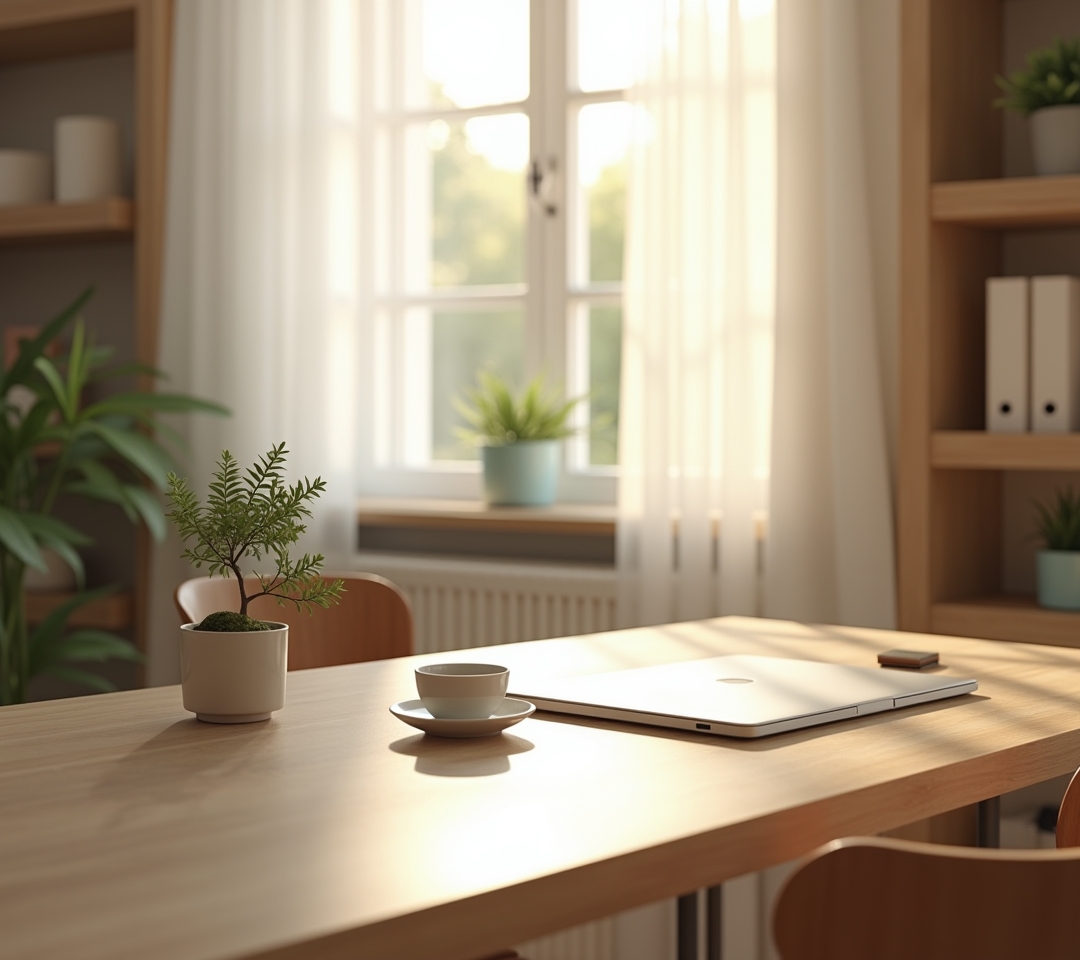
What I learned is that a productive workspace isn’t about having nothing — it’s about having only what serves you. A plant, a single notebook, a good lamp. The goal is reducing cognitive load, not creating some kind of sad, empty void. Keep what sparks focus and ditch what doesn’t.
Advertisements
Quick Decluttering Tips That Actually Work
- Do a “desk dump” once a week — remove everything, then only put back what you truly need.
- Use a single tray or drawer for papers instead of spreading them everywhere.
- Go digital where you can. Scanning documents saved me so much physical space.
- Keep personal items to one or two meaningful pieces, not a whole shrine.
Lighting Is Lowkey Everything
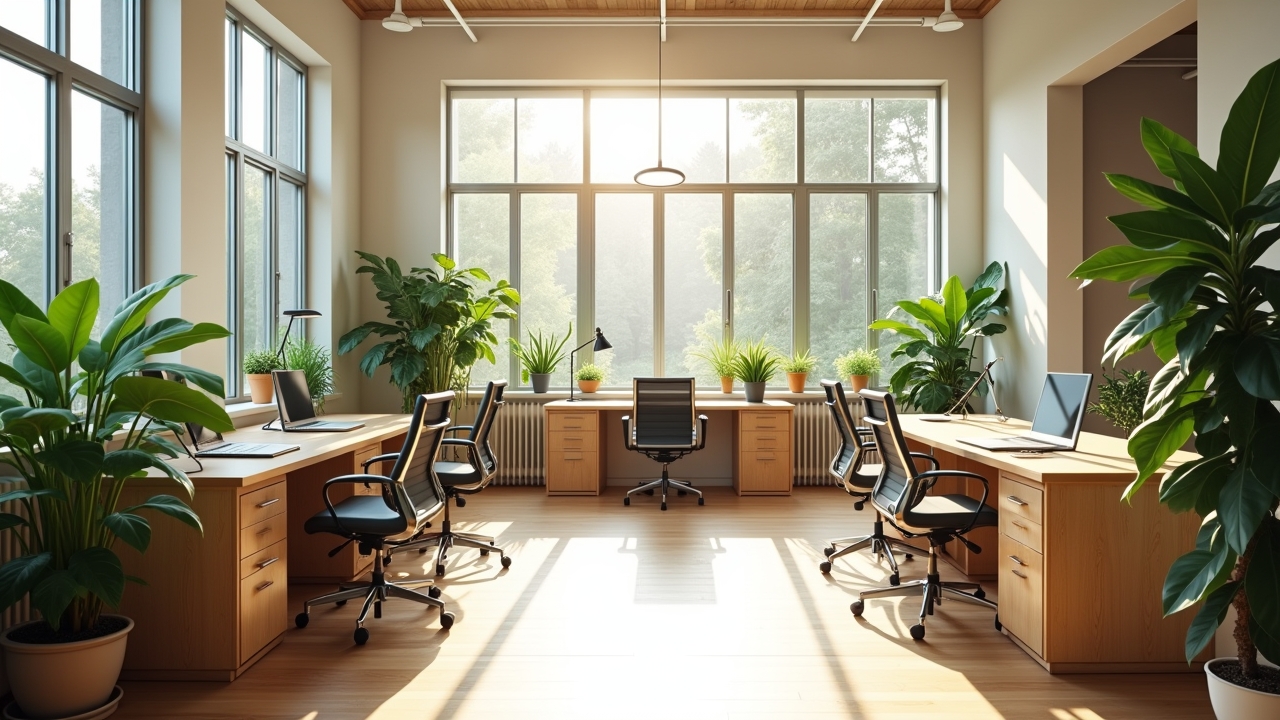
I cannot stress this enough. For years I worked under this harsh overhead fluorescent light and wondered why I always got headaches by 3 PM. Then I switched to a warm-toned desk lamp and started positioning my desk near a window for natural light. The difference was night and day — literally.
Natural light has been shown to improve mood, energy, and even sleep quality according to research from the Sleep Foundation. If you can’t get near a window, even a daylight-simulating bulb can make a noticeable difference. This small ergonomic workspace tweak was probably the biggest game-changer for my mental clarity.
The Sounds (and Silence) Around You Matter
Okay, quick tangent — I once tried working from a coffee shop every day because I thought the ambient noise would be “inspiring.” It was not. It was mostly a baby screaming and an espresso machine that sounded like a jet engine.
Finding the right sound environment is super personal. Some folks thrive with background music; others need dead silence. I’ve landed somewhere in the middle with lo-fi beats or brown noise through my headphones. Tools like Noisli let you customize your soundscape, which is pretty cool if you haven’t tried it.
Color and Nature: The Underrated Duo
Adding a small plant to my desk was something I did almost as a joke. But honestly, it helped. Studies have found that indoor plants can reduce stress and improve concentration. Even the color of your walls or desk accessories plays a role — soft blues and greens tend to promote calm focus, while bright reds can actually increase anxiety.
I painted the wall behind my monitor a muted sage green last year. It sounds silly, but my workspace finally felt like a place where my mind could settle down instead of bouncing around like a pinball.
Your Space Is Your Brain’s Best Friend
Look, everyone’s ideal workspace is going to be a little different, and that’s the whole point. What matters is being intentional about it. Take what resonates here and experiment — move your desk, swap your lighting, toss out that junk drawer. Your brain will literally thank you for it.
If you’re on this journey of building a more mindful, focused life, there’s plenty more to explore over at Mindful Operator. We’re always digging into practical ways to think clearer and live better — come hang out with us!