How Gratitude Practices Can Sharpen Your Cognitive Function (Yes, Really)
Here’s a stat that honestly blew my mind: researchers at UC Berkeley found that practicing gratitude can literally reshape your brain over time. I remember reading that a few years ago and thinking, “Come on, writing ‘thank you’ in a journal can’t actually make me think better.” Turns out, I was dead wrong.
I’ve been a teacher for over fifteen years, and I’ve watched my own brain fog creep in during stressful semesters. The forgetfulness, the scattered thinking, the inability to focus during grading marathons — it was getting rough. So when I stumbled onto the connection between gratitude practices and cognitive function, I figured I had nothing to lose by trying it out.
What’s Actually Happening in Your Brain
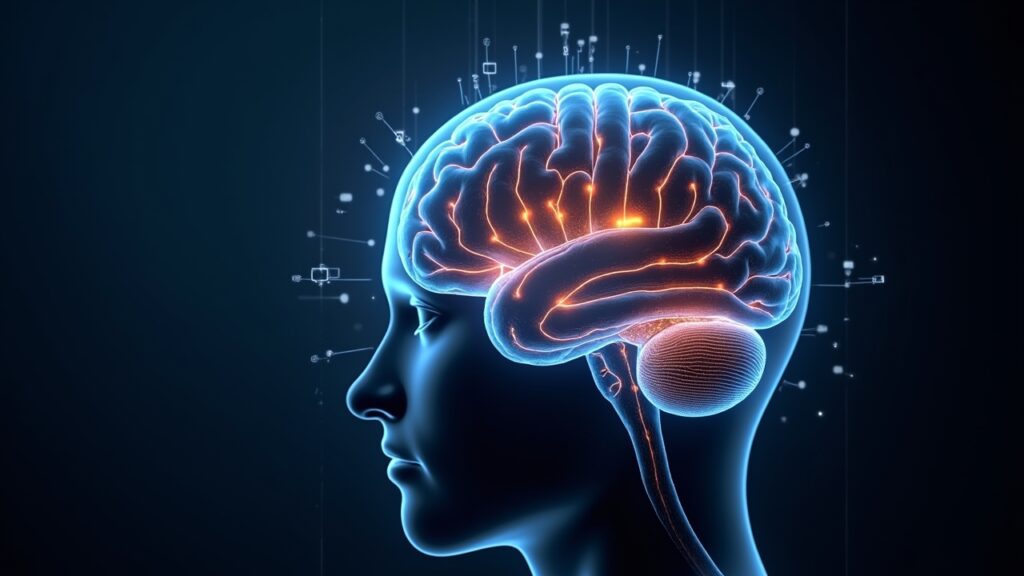
So here’s the deal. When you actively practice gratitude — whether it’s journaling, mental noting, or even just telling someone you appreciate them — your brain releases dopamine and serotonin. These neurotransmitters are basically the VIPs of mental clarity and emotional regulation.
Studies published in Frontiers in Psychology have shown that gratitude activates the prefrontal cortex, which is the part of your brain responsible for decision-making, focus, and working memory. That’s not some woo-woo claim. It’s neuroscience.
What surprised me most was learning that these effects are cumulative. The more consistently you practice, the stronger those neural pathways become, which means better attention span and improved mental performance over weeks and months.
My Messy Start with Gratitude Journaling
I’ll be honest — my first attempt at a gratitude journal was kind of embarrassing. I bought this fancy leather-bound notebook and wrote “I’m grateful for coffee” three days in a row before abandoning the whole thing. Real inspiring stuff, right?
The mistake I made was being too vague. I wasn’t engaging my brain enough to actually get the cognitive benefits. When I switched to writing specific things — like “I’m grateful my student Marcus finally understood fractions today and his face just lit up” — something clicked.
That specificity forces your brain to recall details, engage your memory centers, and actually process emotions. It’s like a mini workout for your hippocampus, which is the brain region tied to memory consolidation and learning.
Three Practices That Actually Moved the Needle for Me

Morning micro-gratitude (2 minutes): Before I even check my phone, I think of three specific things from yesterday that went well. This sets up my prefrontal cortex for better focus throughout the day. It sounds silly but my morning brain fog reduced noticeably after about two weeks.
Gratitude letters: Once a month, I write a short letter to someone who’s impacted me. Research from positive psychology suggests this practice boosts both emotional wellbeing and cognitive resilience. Plus, it just feels good.
Bedtime mental replay: Right before sleep, I mentally walk through my day and find moments worth appreciating. This one was a game-changer for my sleep quality, and better sleep means sharper thinking the next day. It’s all connected.
The Frustrations Nobody Talks About
Let me be real — there were days where I sat there staring at my journal thinking, “I got nothing.” Especially during a particularly brutal semester when everything felt overwhelming. Forcing gratitude when you’re stressed can feel performative and kind of gross.
What I learned is that you don’t have to feel grateful to practice gratitude. The cognitive benefits come from the act of searching for something positive, not from some magical emotional transformation. Your brain still gets that neural workout even when your heart’s not totally in it.
Also, gratitude practices aren’t a replacement for professional help if you’re dealing with serious mental health challenges. They’re a supplement, not a cure-all.
Your Brain Will Thank You Later
Look, I’m not gonna pretend that gratitude journaling turned me into some kind of genius. But after about three months of consistent practice, my focus improved, my memory felt sharper, and I was making decisions with way less mental fatigue. The science backs it up, and my own experience confirmed it.
The beautiful thing is you can customize this however it works for you. Journal, meditate, text a friend, whatever. Just make it specific and make it regular. If you’re curious about more ways to sharpen your mind through mindful habits, come explore other posts on Mindful Operator — there’s plenty more where this came from!