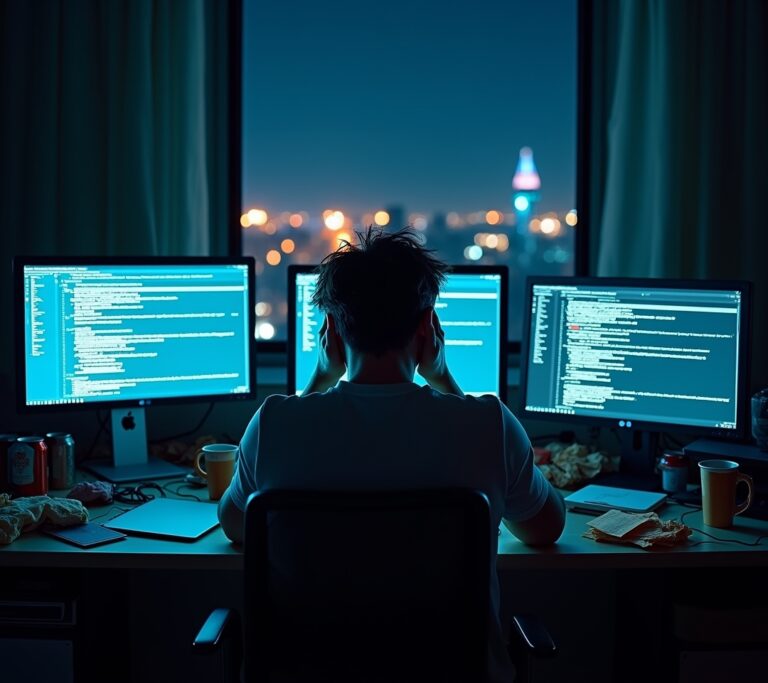
How to Manage Anxiety Without Medication: What Actually Worked for Me
Here’s a stat that honestly blew my mind — according to the National Institute of Mental Health, over 31% of U.S. adults experience an anxiety disorder at some point in their lives. That’s nearly one in three people! I was one of them, and for the longest time I thought popping a pill was my only option.
But it wasn’t. And look, I’m not here to bash medication — it saves lives and it’s absolutely the right choice for many people. What I am saying is that learning to manage anxiety without medication changed my daily life in ways I didn’t expect, and I wish someone had walked me through it sooner.
Breathing Exercises Sound Boring Until They Save Your Day
I’ll be honest, the first time someone told me to “just breathe,” I wanted to roll my eyes so hard they’d get stuck. Like, really? I’m spiraling about a work deadline and you want me to inhale for four counts? But then I actually tried box breathing during a parent-teacher conference — four seconds in, hold for four, out for four, hold for four.
It worked. Not perfectly, not like flipping a switch, but my heart rate came down and the room stopped feeling so small. Now deep breathing techniques are honestly my go-to anxiety coping strategy whenever things get rough.
Moving Your Body Is Non-Negotiable
I used to think exercise for anxiety meant I had to become some kind of marathon runner. Nope. A 20-minute walk around my neighborhood while listening to a podcast does the trick most days.
There’s solid science behind this too — physical activity releases endorphins and helps regulate your nervous system. The Anxiety and Depression Association of America notes that even short bouts of exercise can reduce anxiety symptoms. I made the mistake of going too hard at first, burning out, and then quitting entirely. Don’t do that. Start small and be consistent.
Journaling: My Cheapest Therapist
Okay so this one felt super awkward at first. I’m a 40-year-old dude sitting there writing about my feelings in a notebook like I’m in a teen movie. But journaling for mental health is legit one of the most effective natural anxiety remedies I’ve found.
I started with just writing down three things that were bugging me before bed. That’s it. Over time it became this brain dump that helped me identify my anxiety triggers and patterns I was totally blind to before.
Mindfulness and Meditation (Without the Woo-Woo Stuff)
I’m not gonna sit here and tell you to align your chakras. What I will say is that mindfulness meditation, even just five minutes a day using an app like Headspace, helped me stop catastrophizing about the future. The whole point is grounding yourself in the present moment.
There was this one morning where I was convinced everything at work was falling apart. I sat down, did a guided meditation, and realized most of what I was anxious about hadn’t even happened yet. Mindfulness-based stress reduction is being studied heavily now and the results are pretty encouraging.
Sleep Hygiene Is Seriously Underrated
Here’s where I really messed up for years. I’d scroll my phone until midnight, chug coffee at 4 PM, and then wonder why my anxious thoughts were running wild at 2 AM. Improving my sleep hygiene was a game changer for my anxiety management.
Now I have a wind-down routine — no screens an hour before bed, chamomile tea, and a cool dark room. It sounds basic but the Sleep Foundation confirms that poor sleep and anxiety feed off each other in a vicious cycle. Fix one, and the other often gets better too.
Your Anxiety Toolbox Is Yours to Build
Managing anxiety naturally isn’t about finding one magic solution. It’s about building a personalized toolbox of holistic anxiety relief strategies that work for your life. What works for me might not work exactly the same for you, and that’s totally fine.
One important thing though — if your anxiety is severe or getting worse, please talk to a mental health professional. There’s no shame in that, ever. These strategies complement professional help, they don’t replace it.
If you found this helpful, stick around and explore more posts on the Mindful Operator blog — we’re all about practical, no-fluff approaches to living a calmer life. You got this.