Sleep Optimization for Executives: How I Stopped Running on Fumes and Actually Started Performing
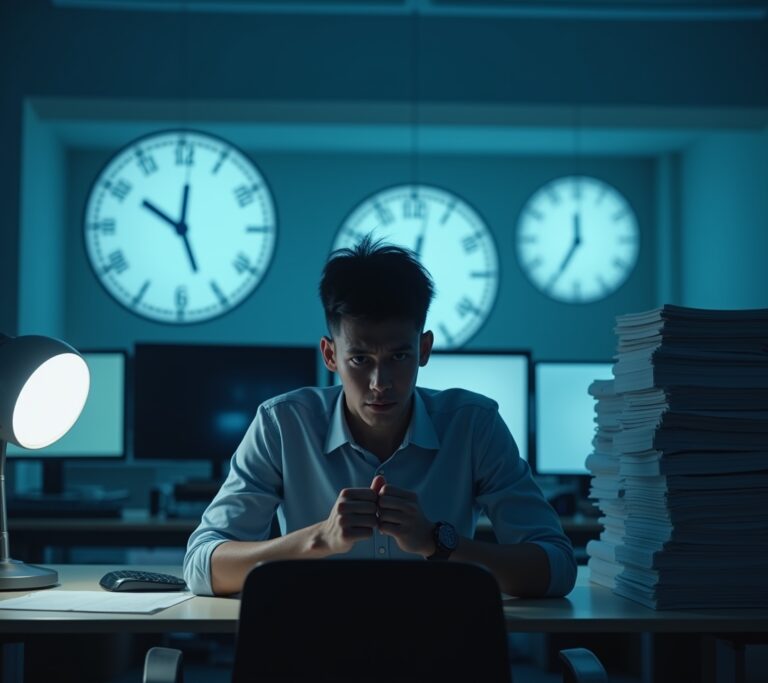
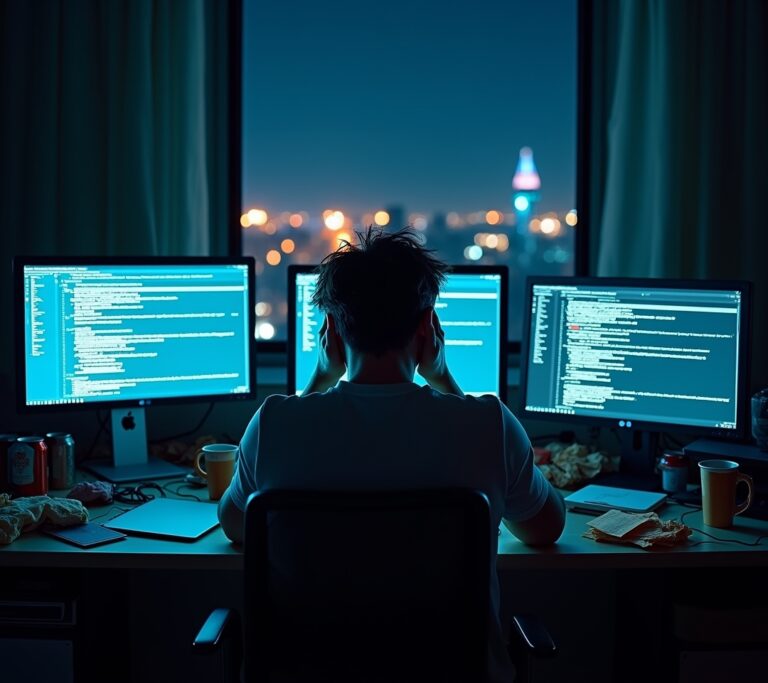
Here’s a stat that honestly shook me: according to the CDC, one in three adults doesn’t get enough sleep. And from what I’ve seen, that number is way worse among high-performing executives. I used to wear my 4-hour sleep schedule like a badge of honor, bragging about it in meetings like some kind of corporate warrior. Turns out, I was just slowly destroying my decision-making ability, my health, and honestly, my relationships too!
Sleep optimization for executives isn’t some trendy wellness fad. It’s arguably the single most impactful performance lever you’re not pulling. Let me walk you through what actually worked for me — and what was a complete waste of time.
Why Executive Sleep Deprivation Is a Real Problem
Look, I get it. You’ve got board meetings, investor calls across time zones, and a never-ending inbox. Sleep feels like the easiest thing to sacrifice. But here’s the thing — sleep debt compounds like bad interest on a credit card.
A study from Harvard Business Review found that sleep deprivation costs companies about $63.2 billion in lost productivity annually. That’s not a typo. When I was running on five hours a night, I thought I was being productive, but my team later told me I was irritable, unfocused, and making sloppy calls on things that really mattered.
The Nighttime Routine That Changed Everything
I resisted having a “bedtime routine” for years because it sounded ridiculous. I’m a grown man running a company, not a toddler. But then a friend who coaches C-suite leaders basically forced me to try it for two weeks.
Here’s what my evening wind-down looks like now:
- No screens 45 minutes before bed — I switched to a paper book and it was honestly a game changer.
- Room temperature set to 65°F, which the Sleep Foundation recommends as the sweet spot for deep sleep.
- Magnesium glycinate supplement about an hour before bed — my sleep quality improved noticeably within a week.
- A quick 10-minute journaling session where I dump all my racing thoughts onto paper so they’re not swirling around at 2 AM.
Was it awkward at first? Absolutely. But the cognitive performance improvement I noticed after just ten days was undeniable.
Morning Light Exposure: The Hack Nobody Talks About Enough
So here’s a tangent that’s actually super relevant. I was obsessing over my nighttime habits and completely ignoring the morning. Turns out, getting bright light exposure within the first 30 minutes of waking up is one of the most powerful ways to regulate your circadian rhythm. Neuroscientist Andrew Huberman has been hammering this point for years.
I started taking a 10-minute walk outside right after waking — no sunglasses — and my sleep onset at night got dramatically faster. Like, I went from lying in bed for 40 minutes to falling asleep in under 15. It felt like cheating.
What About Sleep Trackers and Gadgets?
I’ve tried them all. The Oura Ring, WHOOP, even a fancy headband thing that was supposed to improve deep sleep. Here’s my honest take: trackers are useful for awareness but can become a source of anxiety if you obsess over the data. There’s actually a term for this — orthosomnia — where people get so stressed about their sleep scores that it makes their sleep worse.
My advice? Use a tracker for a month to identify patterns, then put it in a drawer. Trust how you feel. Executive burnout recovery starts with listening to your body, not another dashboard.
Your Sleep Is Your Competitive Edge — Treat It That Way
If there’s one thing I want you to take away from this, its that sleep isn’t laziness. It’s strategic recovery. The best leaders I know — the ones who stay sharp into their 50s and 60s — they all prioritize rest like it’s a board meeting they can’t miss. Customize what works for you, talk to your doctor before adding supplements, and give yourself grace during the adjustment period.
If this resonated with you, I’d love for you to explore more posts on Mindful Operator. We write about the intersection of leadership, wellness, and sustainable high performance — because you deserve to lead without burning out.